

Obsolescence Management in Embedded Systems: Mitigating Risk and Sustaining Innovation
September 2, 2025
Cloud-Enabled Value Engineering of the Clinical Pelvic Health Solution
October 15, 2025Obsolescence Management in Embedded Systems: Mitigating Risk and Sustaining Innovation
September 2, 2025Cloud-Enabled Value Engineering of the Clinical Pelvic Health Solution
October 15, 2025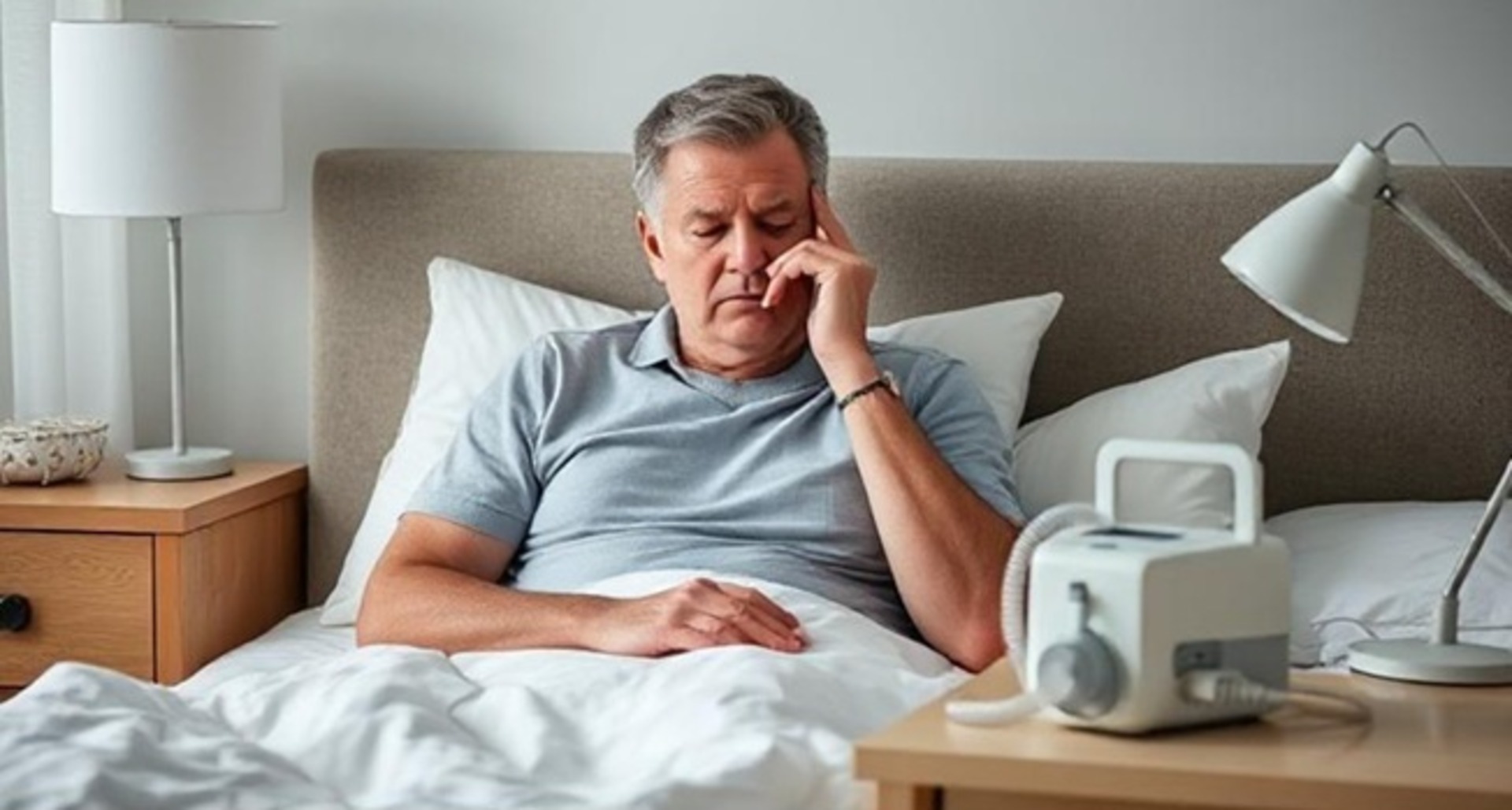
How CMF Reimagination Elevates the CPAP Therapy?
CPAP devices are life-changing tools for people with sleep apnea. They help to restore restful sleep by delivering steady airflow through a mask during sleep.
The Disconnect
Unlike many other medical devices, a CPAP machine is used at the home environment daily by individuals who are otherwise leading normal, active lives. While the therapy is non-invasive, the visual design language of traditional CPAP machines conveys a clinical appearance and often feel out of place in modern homes. Moreover, they tend to serve as a constant visual reminder of illness.
This creates a subtle but powerful emotional disconnect.
- The Compliance Challenge: Non-compliance with CPAP therapy is a well-documented issue. One of the key reasons being psychological resistance where users don't want to feel like they're "sick" or dependent on a machine. The clinical appearance reinforces this unwanted identity even further.
- The Social Visibility Factor: The bedroom is not just a personal space. Partners, children and guests form impressions based on what they see. A visible clinical device may unintentionally cause a partner or child to feel uncomfortable and anxious, impacting the emotional well-being.
The Solution: Design to Disappear
The CMF (Colour, Material, Finish) reimagination can be a powerful design tool by shifting the design narrative. The idea is to evolve the design beyond the functionality and integrate seamlessly into the user’s lifestyle. Leveraging modern CMF strategies by avoiding sterile white plastic, industrial buttons and clinical colour schemes, the device can blend into modern interiors, resembling familiar lifestyle tech.
Insights from modern interior decor styles and the design of common bedside devices, can assist in crafting the suitable CMF design for CAPAP device to blend in.
Modern Interior Decor Themes:
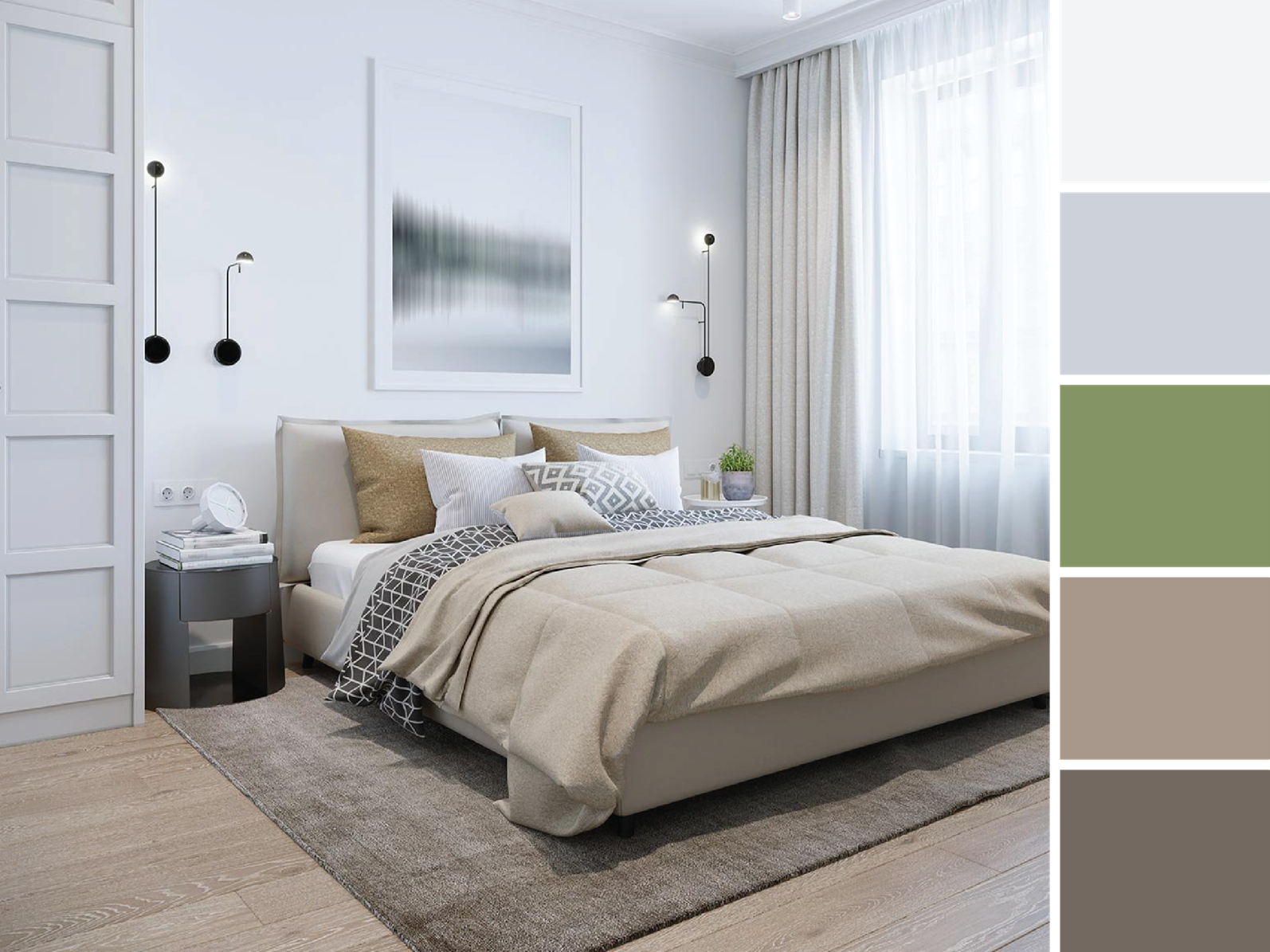
Scandinavian
Key traits: Minimalist, bright, functional
Palette: White, soft grey, muted pastels
Materials: Light woods, cotton, wool, matte ceramics
Feel: Calm, cozy, clean
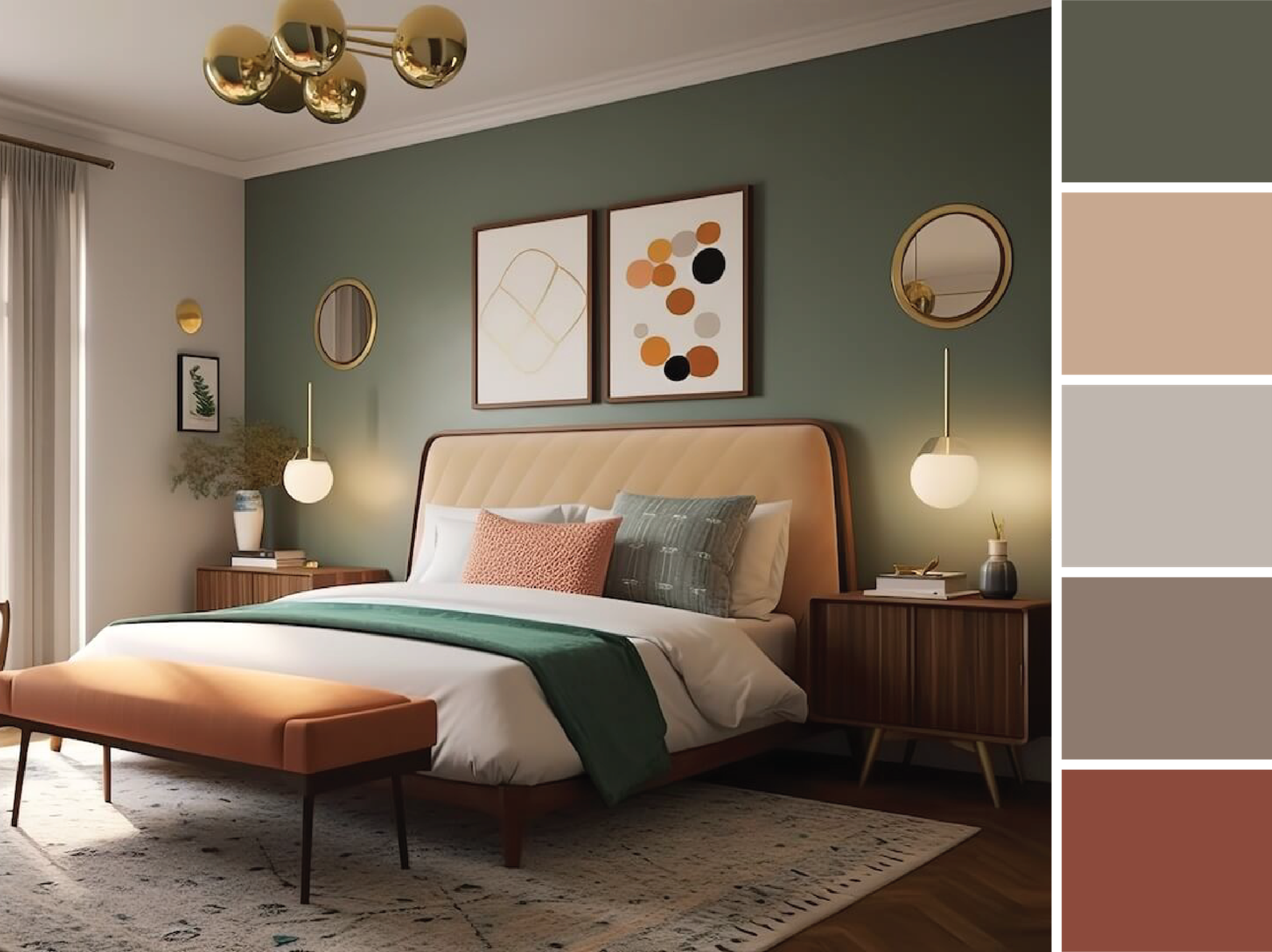
Mid-Century Modern
Key Traits: Retro-modern fusion, Warm
Palette: Mustard, teal, walnut, olive, burnt orange
Materials: Wood veneers, leather, bold fabrics
Feel: Iconic silhouettes, functional elegance
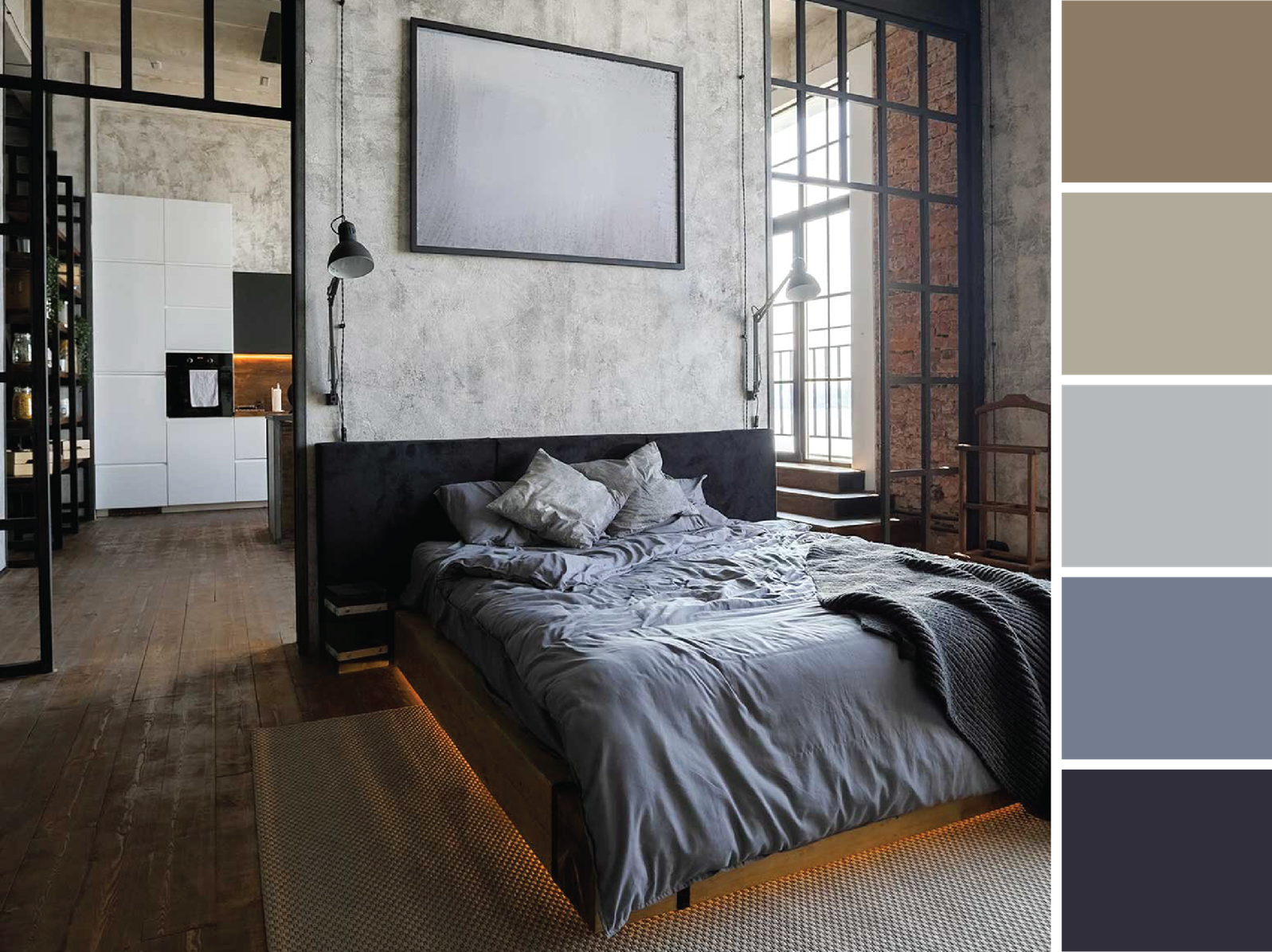
Industrial
Key Traits: Raw, open, utilitarian.
Colour Palette: Greys, concrete and steel hues, rust tones
Materials: Metal, brick, concrete, reclaimed wood, glass
Feel: Rugged, urban, structural, grounded
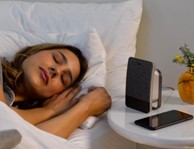
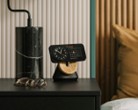
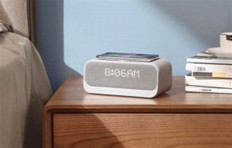
The Bedside Tech:
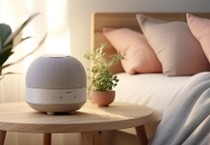
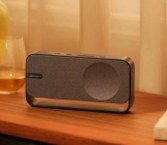
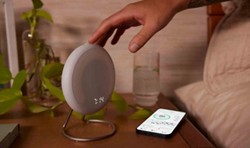
The CMF Strategy:
- Colour: Move beyond pure clinical whites to muted, neutral tones like warm greys, earthy beiges, soft charcoal or serene greens. This approach can harmonize the device with popular interior themes.
- Material: Introduce tactile, homely textures such as matte ceramic-like finishes, fabric wraps, wood-accented panels or silicone that feels soft and warm to the touch.
- Finish: Eliminate sharp gloss and embrace soft-touch matte coatings, textured surfaces and discreet LED glows that resembles the design language of personal tech devices commonly found at bedside.
This CMF reimagination is based on the principle of humanising therapy rather than merely aesthetics and surface level styling. It is a way to align medical devices with the emotional and aesthetic needs of users. When the CPAP device disappears visually into its environment, it also disappears as a psychological barrier. A less clinical-looking CPAP device reduces stigma and emotional resistance for users and improve the user experience and compliance.