
Choosing the Perfect R&D Partner: What Every MedTech Company Should Know
October 28, 2025
Enabling Smarter Healthcare with Vendor-Agnostic Interoperability
October 28, 2025Choosing the Perfect R&D Partner: What Every MedTech Company Should Know
October 28, 2025Enabling Smarter Healthcare with Vendor-Agnostic Interoperability
October 28, 2025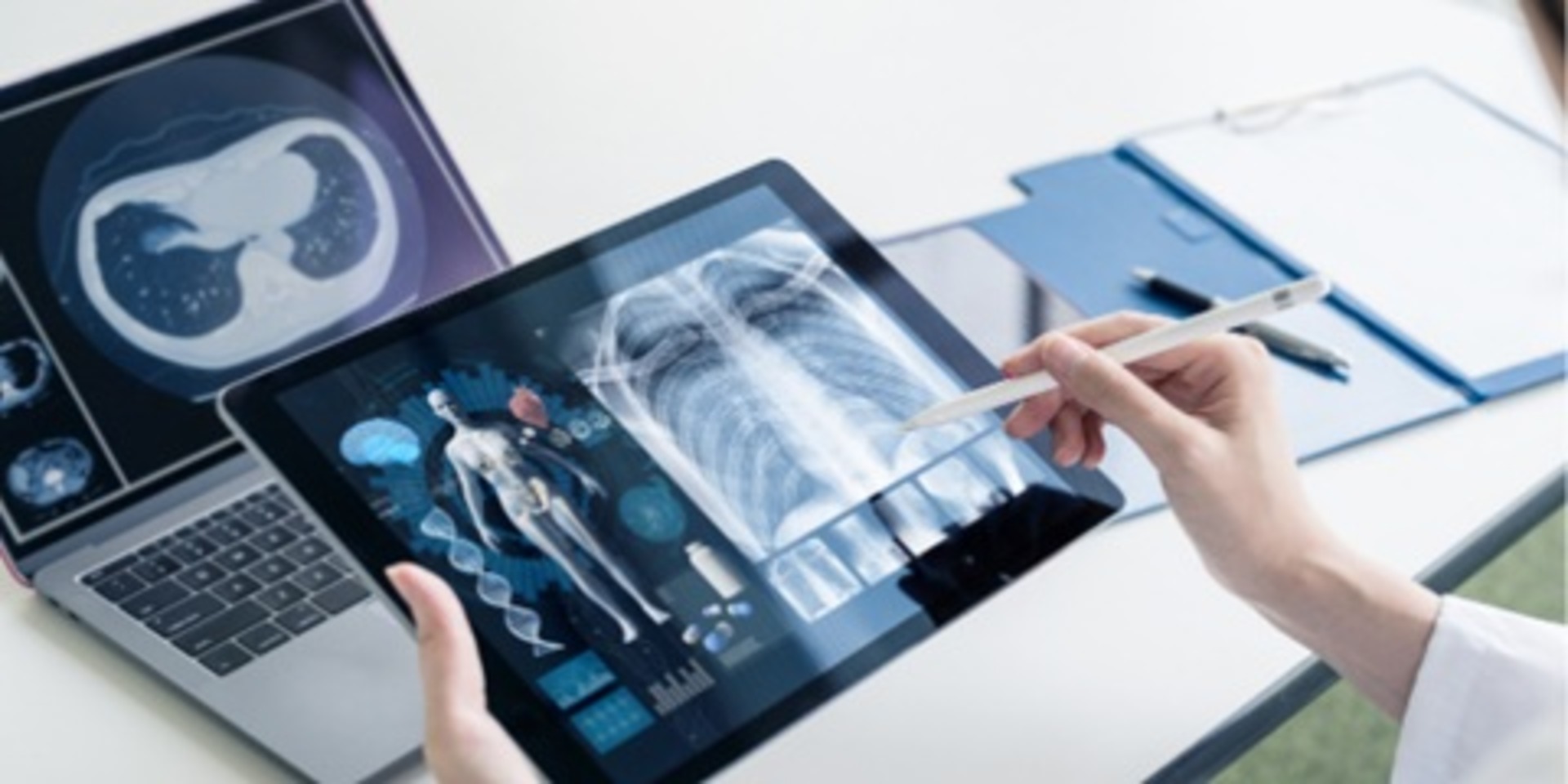
From Data to Discovery: Transforming Raw Device Metrics into Actionable Clinical Insights
Step into any ICU or connected ward today and you’ll be met with a sea of numbers. Heart rates blinking on bedside monitors. Ventilator settings ticking away. Infusion pumps calculating precise dosages. Remote monitoring apps streaming continuous updates from patients at home.
Individually, each number matters. But together, they create a flood—one that can leave even the most skilled care team overwhelmed.
The paradox of modern healthcare is this: we have more data than ever, yet insights are often harder to find.
When Data Becomes Noise
Consider a nurse in a high-acuity ward. She checks a patient’s vitals: blood pressure, oxygen saturation, respiratory rate, and more. At the same time, alerts flash from another monitor, a lab result arrives in the EHR, and a physician messages for an update.
The nurse isn’t short on information—she’s drowning in it. What she needs isn’t more numbers. She needs to know: What do these numbers mean right now? Do they signal stability, or early deterioration? Do I need to act now, or continue to monitor?
Without that clarity, data becomes noise. And noise, in healthcare, can be dangerous.
The Cost of Missed Connections
A cardiologist once shared a story: a patient’s heart monitor showed small, irregular changes. At the same time, the patient’s lab values indicated rising risk. But because these streams lived in different systems, no one saw the full picture until the patient deteriorated.
This is not an issue of incompetence-it’s a systems problem. More specifically, it’s a medical device integration challenge, where data from multiple devices and clinical systems remains siloed instead of working together.
When raw data remains disconnected, critical connections are missed. And every missed connection can mean delayed intervention, unnecessary procedures, or longer hospital stays.
From Raw Data to Actionable Insight
The solution isn’t to collect less data—it’s to transform raw data into knowledge. That means:
That transformation depends on:
- Contextualization: Combining device readings with lab results, medications, and clinical history to create a meaningful story.
- Prioritization: Filtering out low-risk alerts while surfacing signals that demand urgent attention.
- Visualization: Presenting complex data in clear, intuitive dashboards so decisions can be made in seconds, not minutes.
- Prediction: Using AI and machine learning to detect early signs of deterioration before they’re visible on the surface.
In practice, this looks like a single patient dashboard that shows not just vitals, but their trajectory: “This patient’s oxygen levels have been trending down for the last three hours, while their respiratory rate is climbing.” Suddenly, the data isn’t just numbers—it’s a narrative.
Real-world Impact
In one connected ICU program, unified healthcare data management helped consolidate and analyze device data across departments, significantly reducing response times to critical events.
Instead of reacting to every alarm, staff received prioritized alerts based on combined risk signals. The result was fewer false alarms, reduced burnout, and-most importantly-earlier intervention for patients in trouble.
The same principle applies to remote monitoring. Raw data from wearables may show dozens of readings per day, but when unified and analyzed, clinicians can identify worsening conditions-such as heart failure-before emergency admission is required.
Why This Matters for Leaders
For CIOs, CMIOs, and hospital executives, the lesson is clear: investing in more devices is not enough. The real differentiator lies in how intelligently data is harnessed.
Hospitals that succeed are those that align technology with clinical workflows through strong medical product engineering, ensuring interoperability, scalability, and clinical relevance are built in from the start.
These organizations aren’t just collecting numbers-they’re enabling faster decisions, improving outcomes, and reducing cognitive load across care teams. That’s what defines a truly smart hospital.
Next Steps
Is your organization ready to turn raw numbers into actionable knowledge? Reach out to iOrbit to explore how advanced data intelligence can help your teams focus less on chasing information - and more on delivering care.